Sitecore Pushes the Industry Forward With Sitecore AI
At Sitecore Symposium, Sitecore finally lifted the curtain on Sitecore AI—not as a buzzword, but as a real layer woven into the heart of XM Cloud.
The idea is simple: the platform should help teams create, structure, and personalize experiences instead of just hosting them. Sitecore is now giving marketers the power to generate components, analyze performance, and refine experiences without jumping between tools.
It’s a big step that moves Sitecore from “CMS with features” to “experience engine with intelligence baked in.”
And honestly? It feels like the direction the entire industry was waiting for.
Optimizely Opal Keeps Growing — Even Beyond Its Own Ecosystem
Optimizely didn’t stay quiet either.
Its optimization suite, Opal, is expanding in ways that make it more than just an Optimizely feature—it’s becoming a layer that can sit beside other DXPs, including Sitecore setups.
That part is interesting.
Instead of forcing companies to pick a lane, Opal now supports hybrid stacks: Sitecore for content, Opal for experimentation, personalization, and journey intelligence. This is the kind of openness enterprises have been asking for, and it signals a subtle shift:
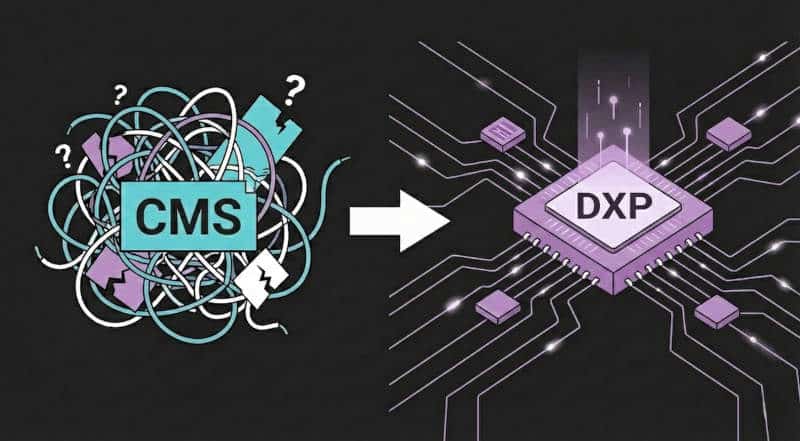
DXP is no longer one platform.
It’s the combination you build.
Adobe Buys Semrush — And This Could Change AEM More Than People Think
The biggest surprise of the week came from Adobe, who acquired Semrush—one of the most widely used SEO and competitive-intelligence platforms in the world.
This isn’t just a “nice to have” acquisition.
Semrush brings two things Adobe has always wanted to deepen:
AEM customers may soon find themselves with content insights, keyword guidance, SERP previews, and competitive benchmarks directly inside the authoring experience. And for global brands, Semrush’s GEO capabilities could become a powerful lever for structured multilingual content.
Adobe didn’t just buy a tool.
They bought a new lens for how content should be planned, published, and improved.
A Week That Says a Lot About Where We’re Heading
If you connect the dots, the picture becomes clearer:
Sitecore is building intelligence inside the platform
Optimizely is opening intelligence to any platform
Adobe is infusing intelligence into how content is discovered
Three different strategies, all pointing toward the same idea:
DXP is becoming smarter, more fluid, and far less siloed.
Brands will have more freedom to combine tools they love, and users will expect experiences that are faster, more personalized, and more relevant—without the old operational drag.
It’s an exciting time to be building in this space.
And if this week told us anything, it’s that 2026 is going to be a turning point.
How Sengo Helps
At Sengo, we specialize in:
DXP & CMS migrations (Sitecore, Adobe, Optimizely, Kentico, Contentful, Storyblok)
Composable architecture & headless modernization
Performance, personalization, and SEO-ready implementations
Advice on choosing the right stack for the next era of digital experience
If you’re navigating these changes or planning your 2026 digital roadmap, we’d love to help.




Like (0)